Church Roof Repair
To Charlotte’s Best Roofing and Gutters, there are few things more enjoyable than performing much needed upkeep of a local house of worship. These organizations are an important cornerstone of our communities, and we are proud to do our part.
A roof is one of the most important components of a church and it is important to keep it in good condition. An old roof is particularly susceptible to damage from weather and other elements, and it is important to repair it as soon as possible.
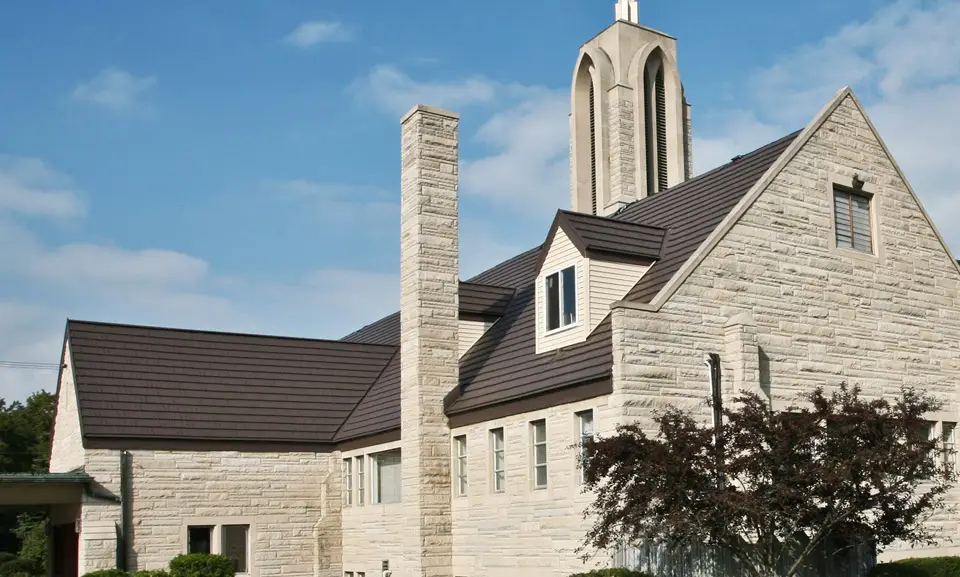
Fortunately, there are a number of companies that replace church roofs in Charlotte, NC. These companies specialize in replacing flat roofs, shingle, and metal and they can provide a variety of options. Sometimes, the roof is past the point of repair and the only reasonable and financial option left to pursue is a full roof replacement. A Charlotte’s Best Roofing and Gutters professional will provide a free inspection and present all material and installation options.
TPO Roofing System
The TPO roofing system has garnered significant popularity as one of the leading commercial roofing options in the contemporary market. Its notable features include its robustness, energy efficiency, and fire and ultraviolet resistance. In the pursuit of an enduring and dependable commercial roofing system for your Charlotte, NC business, the TPO roofing system presents itself as a formidable option.
The TPO roofing system is constructed by thermally welding seams together, yielding a sturdy and impervious seal. Furthermore, the TPO roofing system is reflective, which counteracts heat absorption during summer, resulting in reduced cooling energy consumption. To delve deeper into the subject of TPO roofing in Charlotte, NC, kindly reach out to a local roofing contractor for further information.
Shingle and Metal Church Roofs
Shingle and Metal are the most common types of roofing system for houses of worship. Shingle roofs are more affordable but metal roofs provide the best value if installed correctly. Shingle is easier to maintain while metal is stronger. There are many options to consider when deciding what roof to install for your church.
If you live in or near Charlotte, NC and have a shingle or metal roof on your church, it is important to be aware of the potential for damage and know when to call for commercial roof repair services. While shingle and metal roofs are generally very durable, they can be susceptible to damage from severe weather, falling tree limbs, and other hazards. If you notice any signs of damage, such as leaks, cracks, or missing shingles, be sure to call for professional repair services as soon as possible. Left unchecked, small problems can quickly turn into major repairs that are much more expensive to fix.
Professional Church Roofing Services
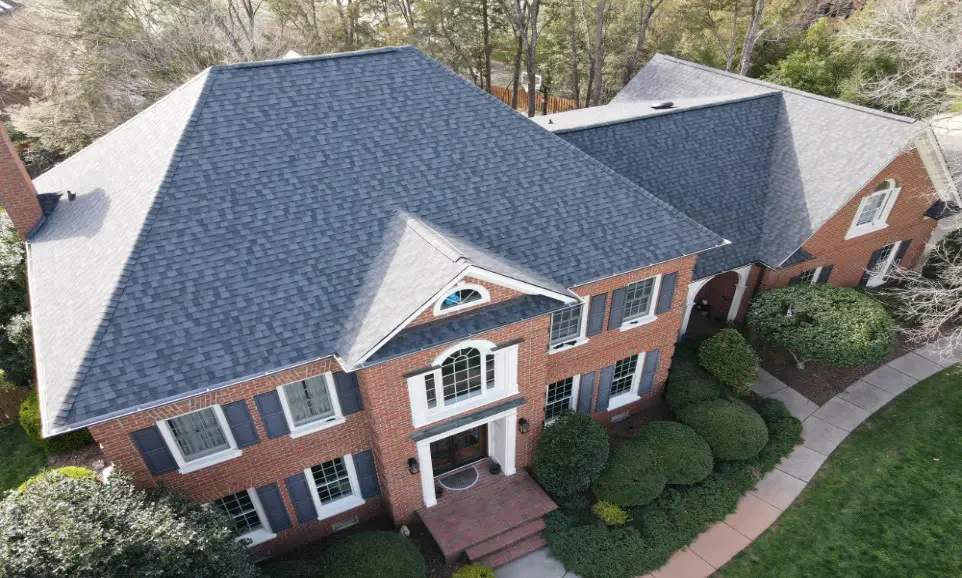
3-Tab, architectural, and designer asphalt shingles. 15-30 Year lifespan. More affordable. Easy to install and repair.
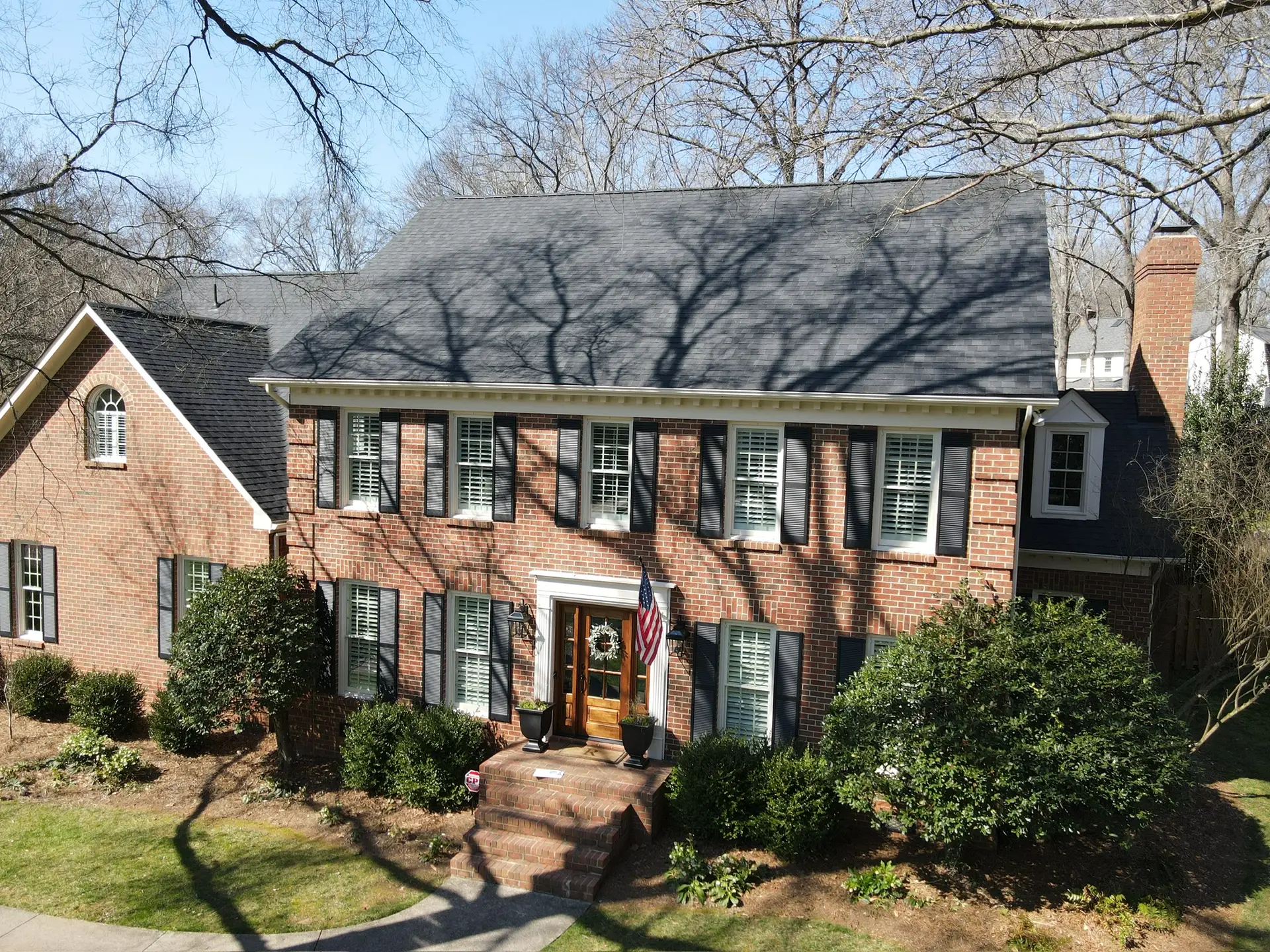
Standing seam and sheet metal. 50-60 Year lifespan. Strong, and Recyclable. Eco-Friendly.
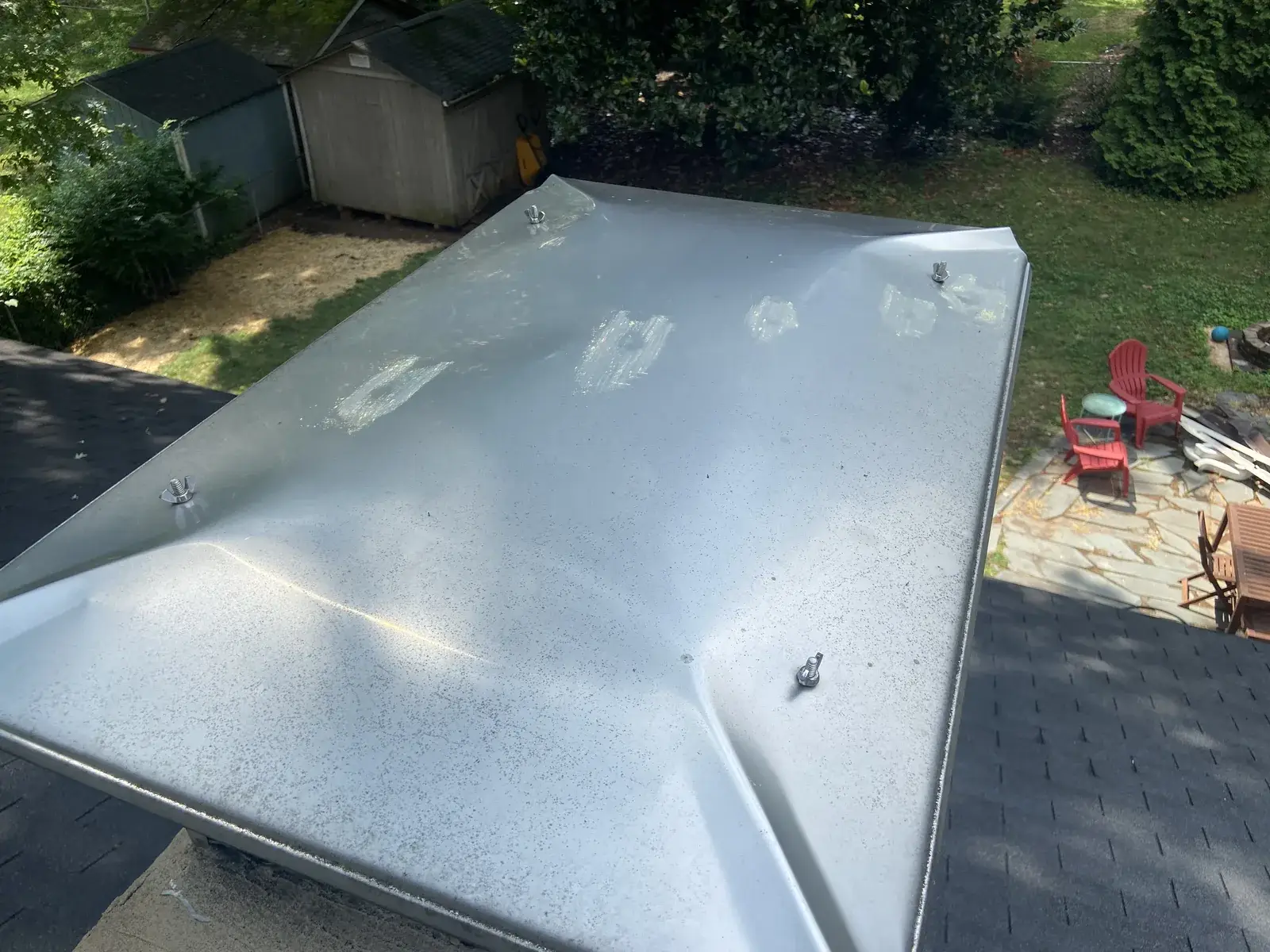
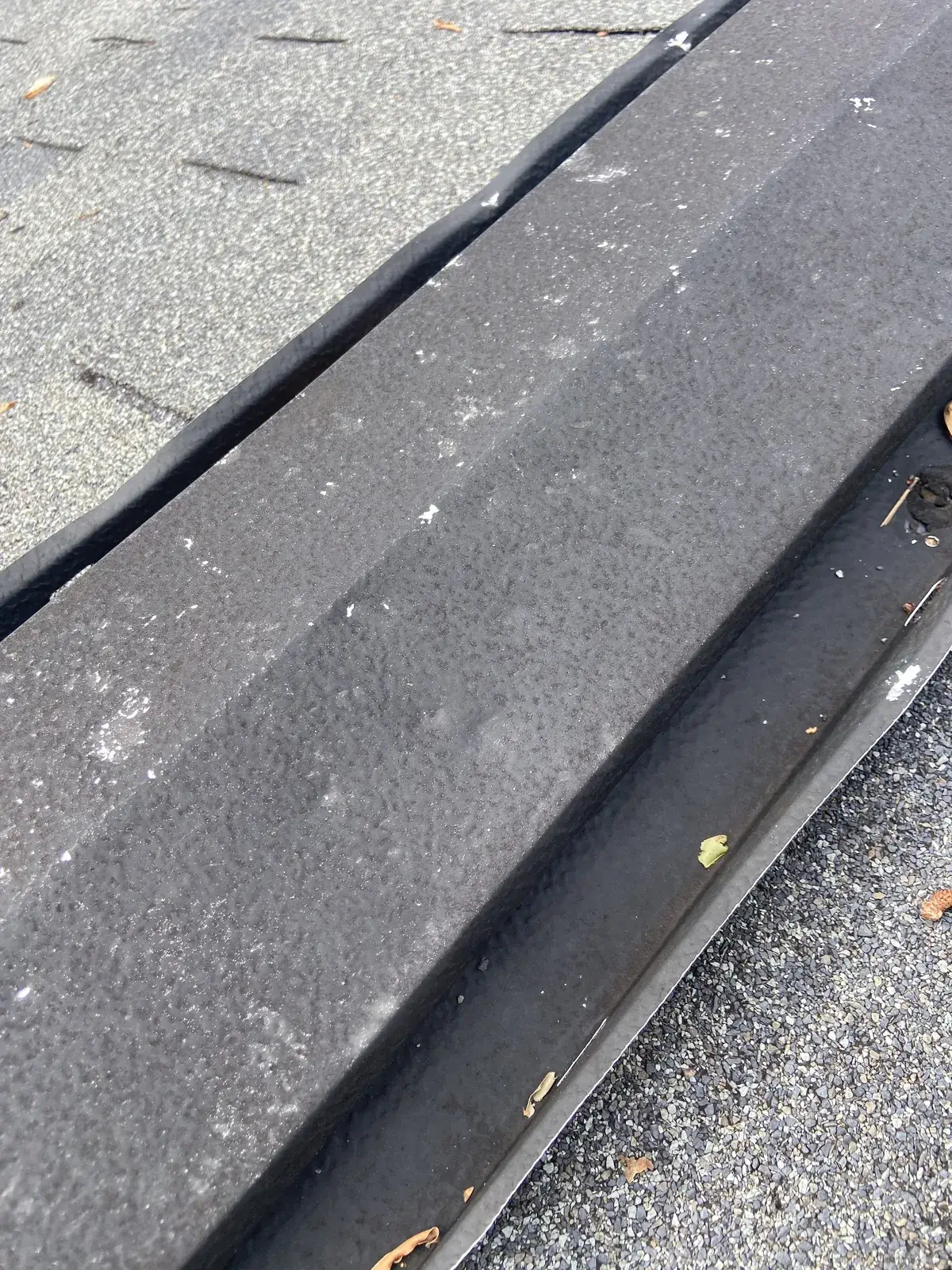
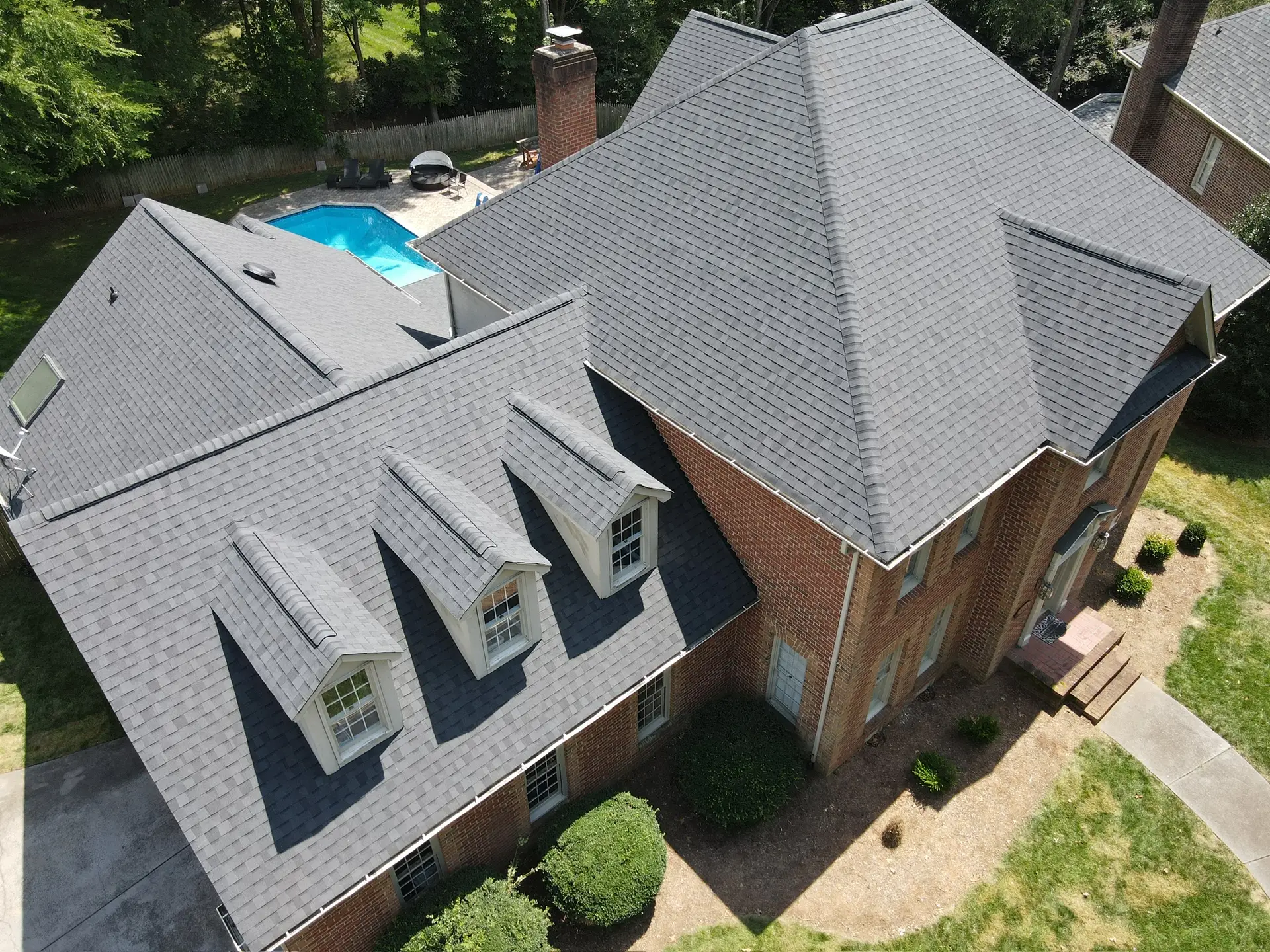
5″ and 6″ aluminum seamless gutters. Fabricated on-site. Gutter guards and downspouts allowing proper drainage.
FAQs
Church roofs can cost more to repair because they are often larger, steeper, taller, or more detailed than a standard home roof. Steeples, towers, flat additions, slate sections, metal roofing, and hard-to-reach areas can all affect labor, equipment, and repair time. The cost depends on the roof design, damage, materials, and access.
Yes, a church roof leak can come from the steeple or the areas around it. Water can enter around flashing, seams, trim, masonry, or connection points where the steeple meets the roof. Because water can travel before it appears inside, stains near the ceiling or walls may not show the exact source of the leak.
Churches may use asphalt shingles, metal roofing, slate, tile, flat roofing systems, or a combination of materials. Many traditional churches have steep shingle, slate, or metal roof sections, while additions, offices, fellowship halls, or classrooms may have flat or low-slope roofing. The right material depends on the roof pitch, structure, budget, and appearance of the building.
Yes, one section of a church roof can often be repaired if the damage is limited. This may include fixing flashing, replacing damaged shingles, sealing a flat roof section, or repairing a leak near a valley, wall, or steeple. If the damage is widespread or the roof is near the end of its life, replacement may be the better long-term option.
Roof damage is urgent if there is active leaking, sagging ceiling areas, wet insulation, interior water stains, loose roofing materials, or storm damage. Churches should also act quickly if leaks are near electrical areas, classrooms, offices, sanctuaries, or public entrances.
A church board should ask what caused the problem, whether the damage is isolated or widespread, what materials will be used, how long the repair should last, and whether the repair will affect services or events.
In many cases, yes. Roof repairs can often be planned around worship services, school programs, weddings, funerals, and weekly events. We’ll explain when work will happen, where equipment will be placed, which entrances may be affected, and how members and visitors will be kept safe during the project.
Flashing is important because many church roof leaks start where the roof changes direction or meets another surface. This includes chimneys, steeples, walls, valleys, dormers, vents, and roof edges. If the flashing is loose, rusted, cracked, or poorly installed, water can enter even when the main roofing material still looks fine.