
What Does Hail Damage Do to a Roof?
We Can Help!
- Always Transparent Pricing
- 5+ Year Labor Warranty
- Commitment to Customer Satisfaction
- Competitor Price Match Guarantee
- Licensed Roofing Contractors
- Customized Roofing Solutions
Hailstorms are not a new thing to you. When those ice pellets hit, they make a lot of noise, and when it stops, we may forget about them. But what does hail damage do to a roof?
Hail damage cracks or bruises asphalt shingles, strips away protective granules, creates holes, and dents or separates gutters and vents, letting water seep into your roof. This can lead to water damage, rot, or weakened roofing materials. Over time, it risks structural damage to your home.
How Big Does Hail Have to Be for Roof Damage?
A hail with a diameter of between 1″ and 1.25″ is large enough to cause damage to your asphalt shingle roofing. However, the amount of damage caused depends on the impact-resistant rating of your roofing material.
To damage asphalt shingles with a Class 4 or Class 3 impact resistance rating, the hail should be between 1.75″ and 2″. Large hailstones often cause noticeable dents that an experienced roofing contractor cannot miss. Smaller hail, such as pea-sized (1/4 inch), usually don’t cause trouble, unless the roof is old and overdue for replacement.
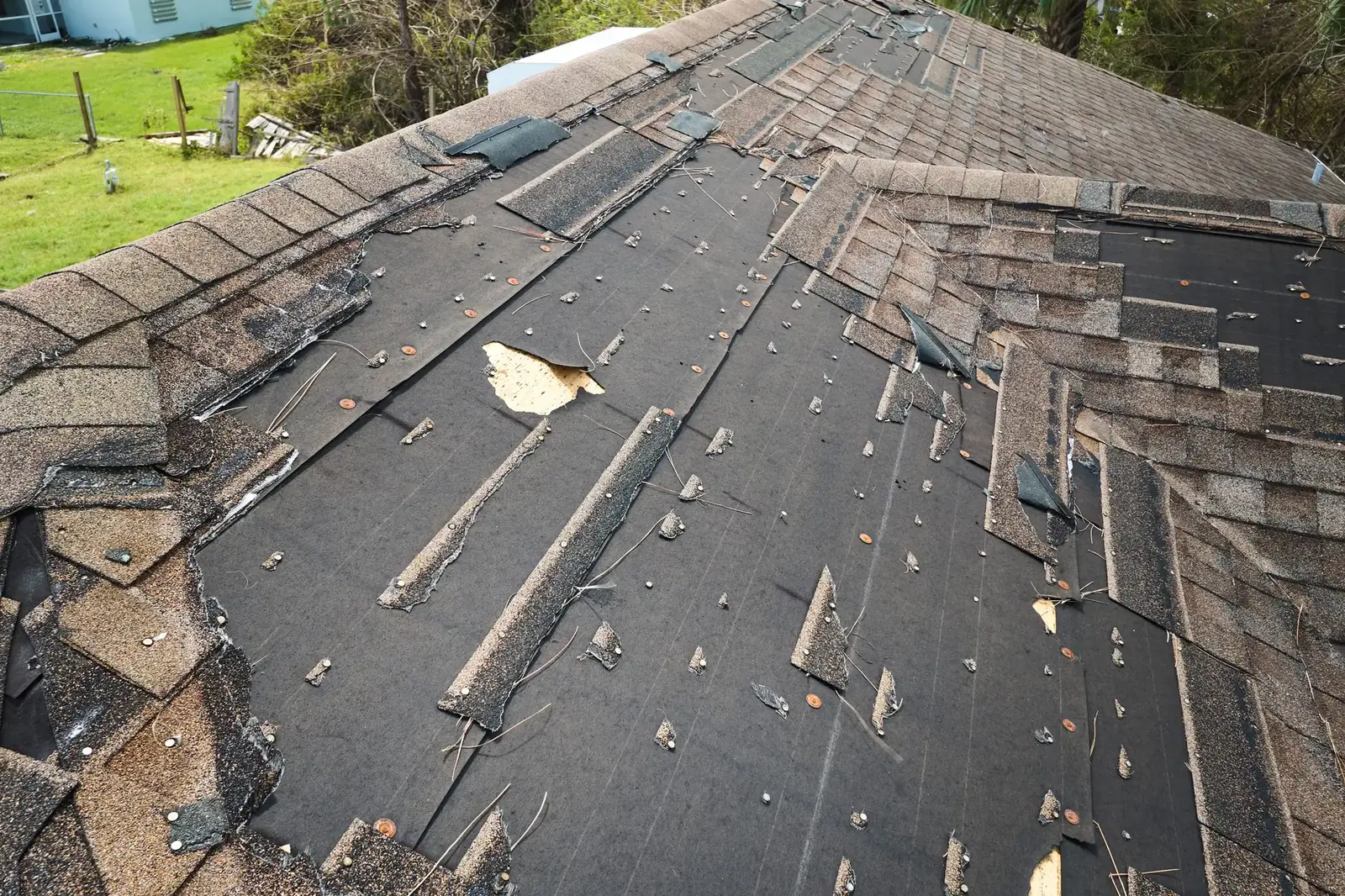
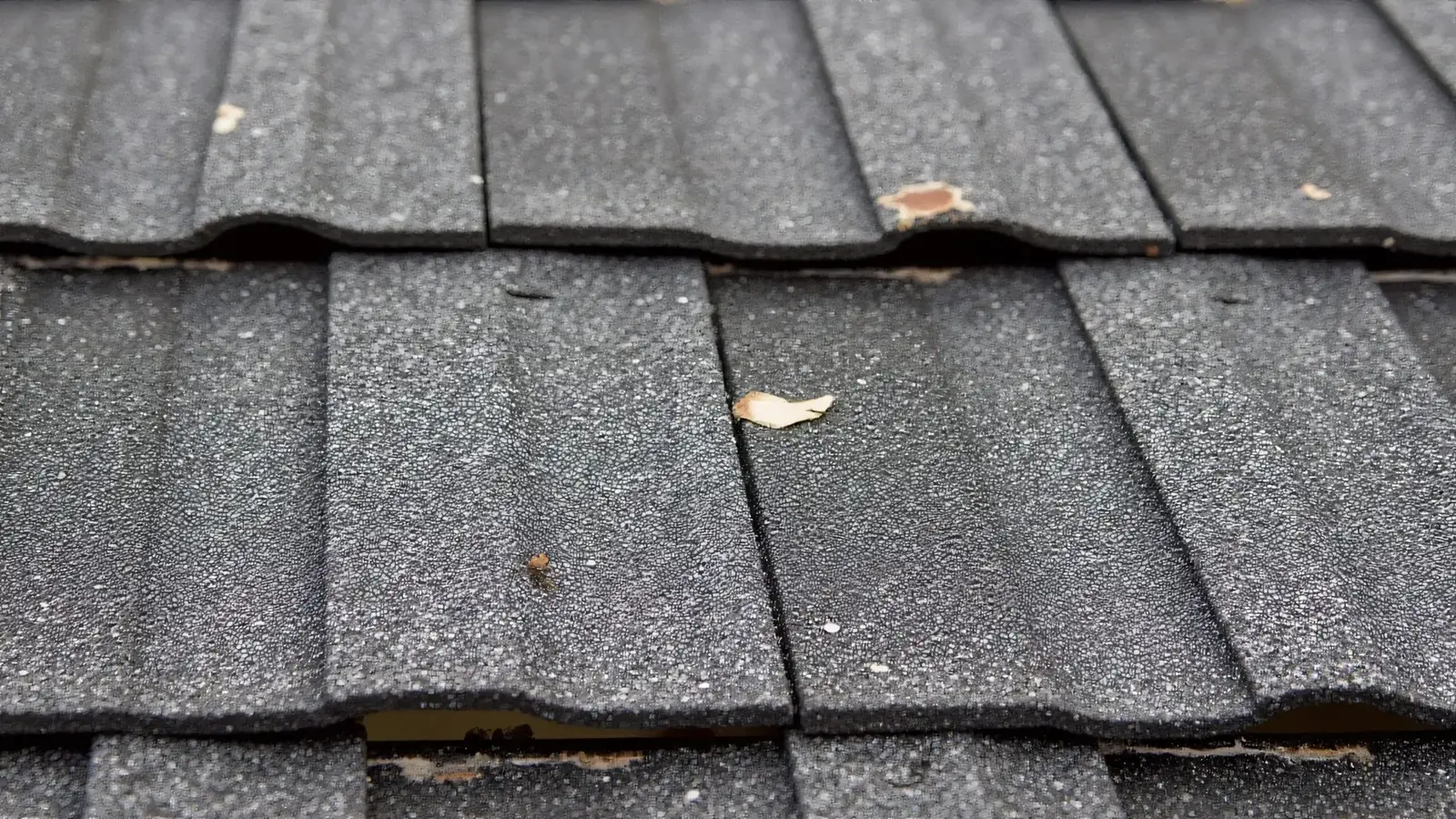
Granule Loss
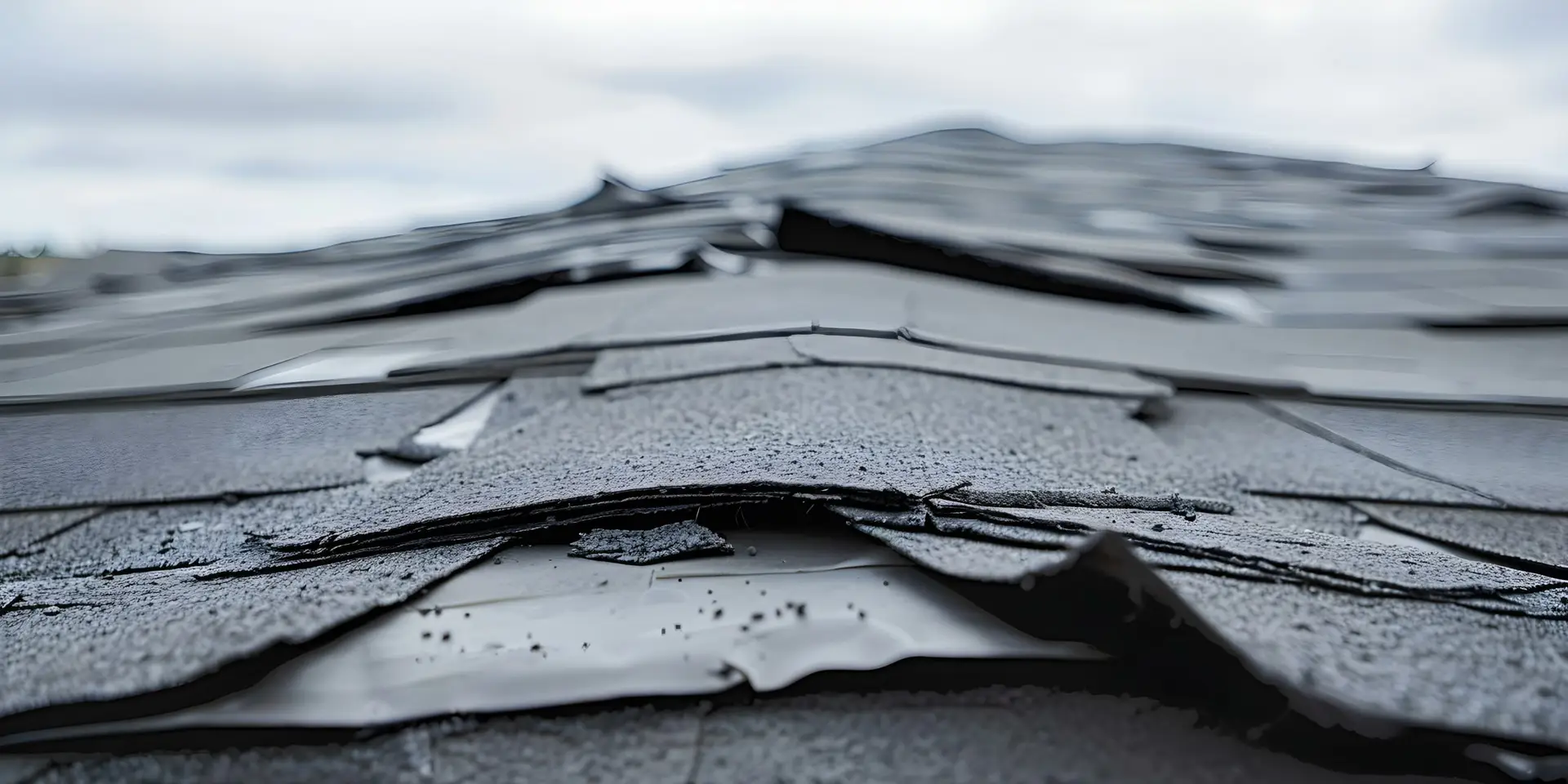
Bruising
The impact of hailstones on the roof can create soft spots or “bruises” on shingles, which occur when the granules and underlying asphalt layers are compressed or loosened. These areas are not immediately visible, but they compromise the shingle’s ability to protect against moisture and increase the material’s rate of deterioration. If left alone, these parts of your roof are more likely to crack, split, or break down under pressure from rain, strong winds, or further hail, leading to roof leaks or structural damage.
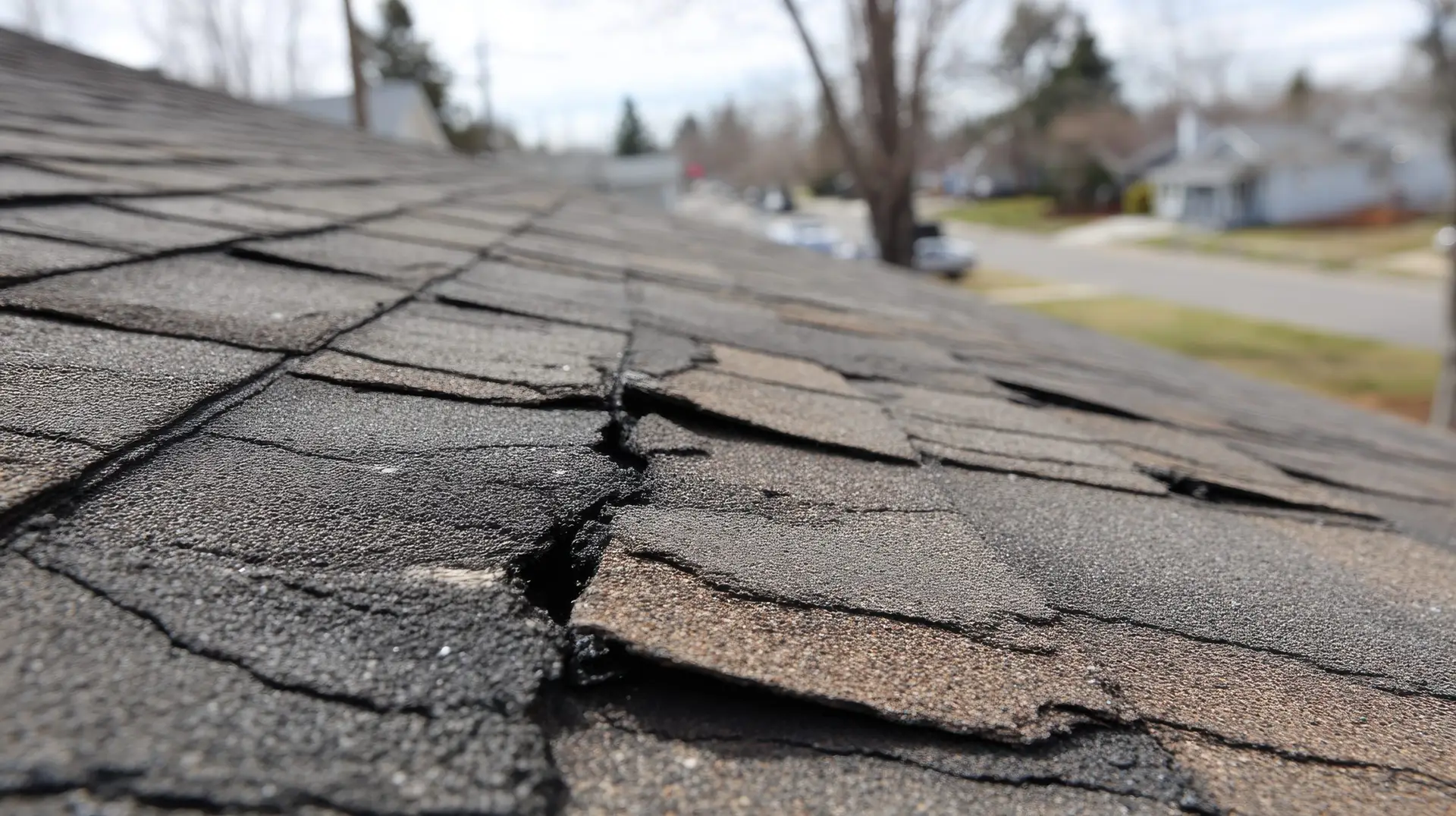
Cracks, Fractures, or Punctures
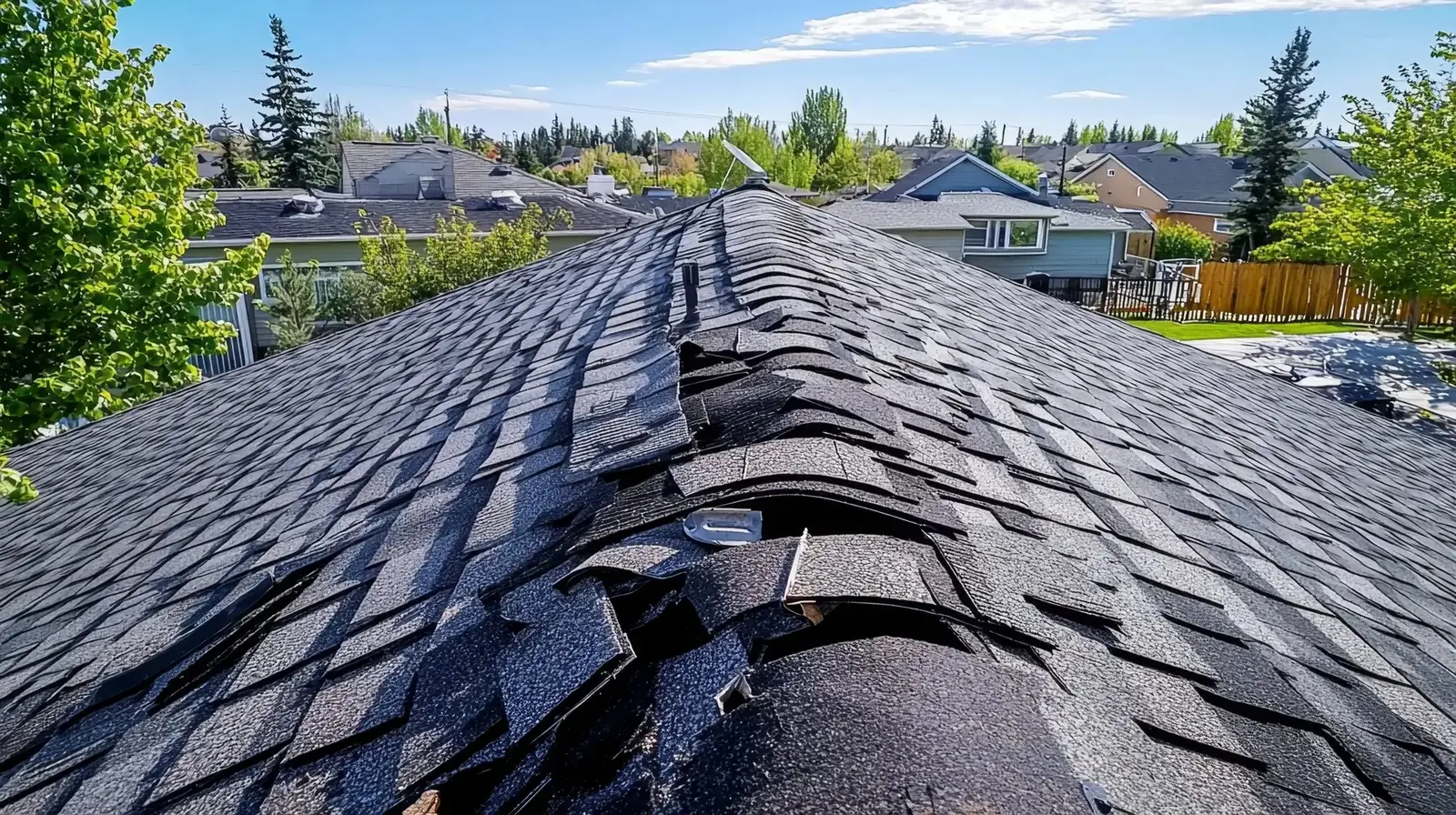
Loose or Displaced Roofing Materials
Compromised Underlayment
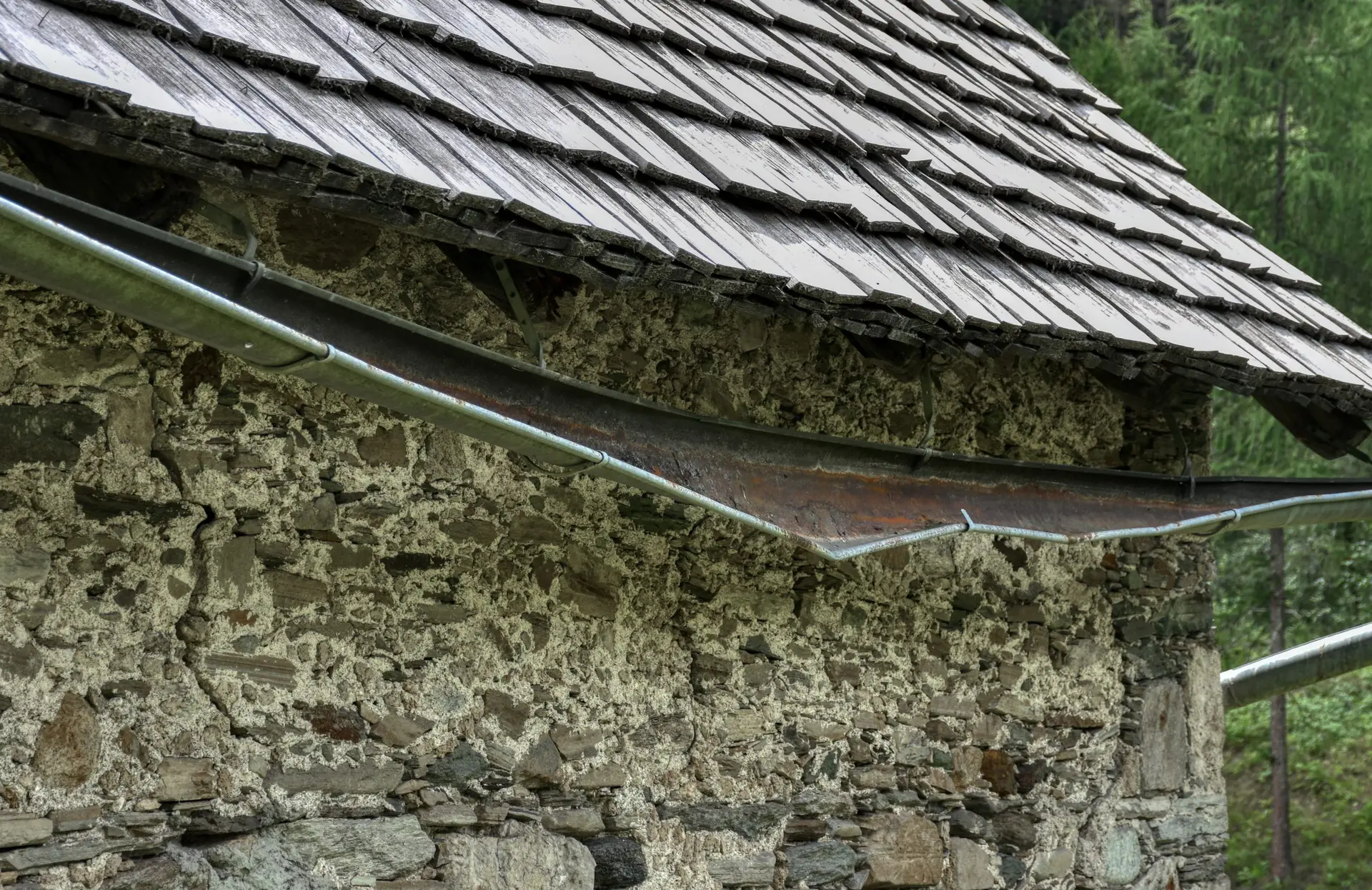
Gutter Dents and Separation
Can Hail Damage to a Roof Be Repaired?
Yes, most hail roof damage can be repaired. However, it’s the extent of the roof damage that determines whether a repair or replacement is needed. For minor damage, individual shingle replacement is enough.
Cracked shingles, small holes, or damaged flashing can be fixed by patching or replacing affected areas. But this only applies when the severe damage is caught early. If a roof leak reaches the roof deck, you may face more significant issues, such as rot, that require more extensive work.
What Are the Long-Term Effects of Ignoring Hail Damage?
Ignoring signs of hail damage can lead to minor leaks, roof rot, and mold growth, which can cause structural damage to your home and compromise its indoor air quality. This results in higher repair costs and a decline in property value.
Cracked shingles or granule loss lets water seep in, causing wood rot in the roof decking or ceiling spots. This can quickly lead to mildew growth, putting your health at risk. Over time, untreated damage weakens your roof, making it prone to further cracks or even collapse in severe cases.
A quick roof inspection for signs of damage after a hailstorm from Charlotte’s Best Roofing and Gutters can prevent these costly repairs and preserve your roof’s warranty.
Can Hail Damage to a Roof Be Repaired?
Inspecting your roof after a storm or hail is important for catching damage early and avoiding costly repairs later. Even if the damage isn’t immediately obvious, there are several telltale signs that your asphalt shingles— and other parts of your roofing system—may have been compromised.
Look for coarse, sand-like particles resembling coffee grounds or fine gravel in your gutters, at the base of downspouts, or scattered on the ground near your roofline. These are granules that have worn off your shingles, leaving bald or smooth spots that reduce the roof’s UV protection and water-shedding ability.
Shingles with dark circular marks, visible dents, or small crater-like impressions may be bruised beneath the surface. Pressing gently on these areas may reveal a soft or spongy texture, indicating underlying damage to the asphalt layer that weakens the shingle over time.
Fine cracks or splits—especially near the edges of shingles—signal structural stress from hail impact. These may start as hairline fractures but often worsen with wind, rain, or further impact, eventually leading to loose or missing shingle sections.
Look for coarse, sand-like particles resembling coffee grounds or fine gravel in your gutters, at the base of downspouts, or scattered on the ground near your roofline. These are granules that have worn off your shingles, leaving bald or smooth spots that reduce the roof’s UV protection and water-shedding ability.
Stains on ceilings, walls, or attic spaces—and especially the presence of mold—suggest that hail damage has already progressed to water intrusion. This requires immediate attention, as unchecked moisture can lead to structural decay and health risks for occupants.
Inspect metal roofing components such as flashing, vent covers, and gutters for round indentations or deformation. Aluminum gutters are especially vulnerable to visible denting from hail. Even if your shingles appear intact, dents in metal components often indicate broader roof damage that warrants a professional inspection.
Why Do You Need a Professional Roof Inspection After Hail?
A roofing professional has the experience to identify hail damage that may not be immediately visible to the untrained eye. Subtle damage, such as small punctures and bruised shingles, is not always visible and can lead to hidden leaks.
Working with a professional, you’re also guaranteed the following:

Accurate Documentation
A licensed roofer provides a detailed report of your roof's condition, which can be critical when processing claims from your insurance company. This is why our team consists of both experienced roofing specialists and licensed adjusters. Our properly documented roof inspection report can help strengthen your claim and minimize the risk of underpayment or denial of your insurance policy.

Insurance Expertise
With firsthand knowledge of how insurers evaluate hail roof damage, a roofing expert can help you navigate the insurance claim process with confidence. Our insurance claims management professionals understand the language and criteria insurance companies use, helping you avoid common claim pitfalls in the process.

Peace of Mind
Whether there are any issues on your roof or not, a thorough regular inspection looking for signs of hail damage provides clarity and confidence regarding the state of your home. It helps you act early before small issues become extensive repairs or compromise your home's safety.
Does a Roof Need to Be Replaced After Hail Damage?
The decision to replace your roof after a hailstorm depends on the severity and type of damage sustained. A professional inspection should determine if a repair is enough or not.
Additionally, the size of the hail, the age of your roof, and your insurance policy all play a role in this decision. But generally, if 50% of your roof is damaged, a roof replacement is needed.
Will Your Insurance Policy Pay for a Full Roof Replacement from Hail Damage?
Yes, many insurance policies cover the full replacement of a roof due to hail damage. However, the extent of coverage depends on the policy you have and the damage your roof sustained.
If you have an ACV (Actual Cash Value) policy, your payout will be the depreciated value after hail damage to your roof. This may not be enough, especially if there is extensive damage, but it’s still something. If you have an RCV (Replacement Cost Value Policy), your payout will be calculated based on the cost of a new roof.
However, some plans don’t cover cosmetic issues, wear and tear, or age, such as granule loss. Check with your insurance provider to understand the details of your policy before filing.
Is It Worth Filing a Claim for Hail Damage to Roof?
Filing a claim for hail damage is worthwhile if the damage is significant; however, minor issues may not justify the cost. When deciding whether to file a claim or not, weigh the potential benefits and costs, including the chance of getting higher
Work with Charlotte's Best Roofing And Gutters
Hail damage can turn a strong roof into a costly problem if you don’t act fast. From water leaks to mold growth, the risks add up in Charlotte’s stormy climate. Charlotte’s Best Roofing and Gutters provides professional roof inspections, repairs, and replacements to ensure your home’s safety.
Call professional roofing contractors from Charlotte’s Best Roofing and Gutters today to schedule an inspection and protect your home from hail damage.